Leather Goods - From Primitive Concept to Contemporary Masterpiece
It is not an exaggeration to say that leather goods are one of the expensive fashion trends, showing luxury and wealth for the owner. So the question is: how did leather goods appear?
The first concept of skin
According to historical records from many reliable sources, leather products first appeared in Egypt around 1300 BC. At that time, leather products were just simple pieces of leather used to keep warm. Not only Egypt but also countries in Asia, Europe, and North America at that time also knew how to turn animal skins into daily use and production items.

It was not until 1200 BC that the Greeks made their first advances in leather. They began to think of using leather to make scarves to keep warm, and to design large animal hides to make tents and hunting weapons. Even in Asia, during the Middle Ages, China already knew the art of leather production, and even the Native Americans knew simple leather production techniques before the white man appeared on this land.

From there, the use of leather spread rapidly and by word of mouth throughout the Roman world. It was not until more than 1000 years later that leather became popular and widely used by Egyptian women. Leather became a measure of their luxury and wealth.
The initial rudimentary method of leather development
Because of the simple manufacturing techniques, leather items during this period were easily torn and damaged... This required people to quickly develop more complex leather processing techniques.

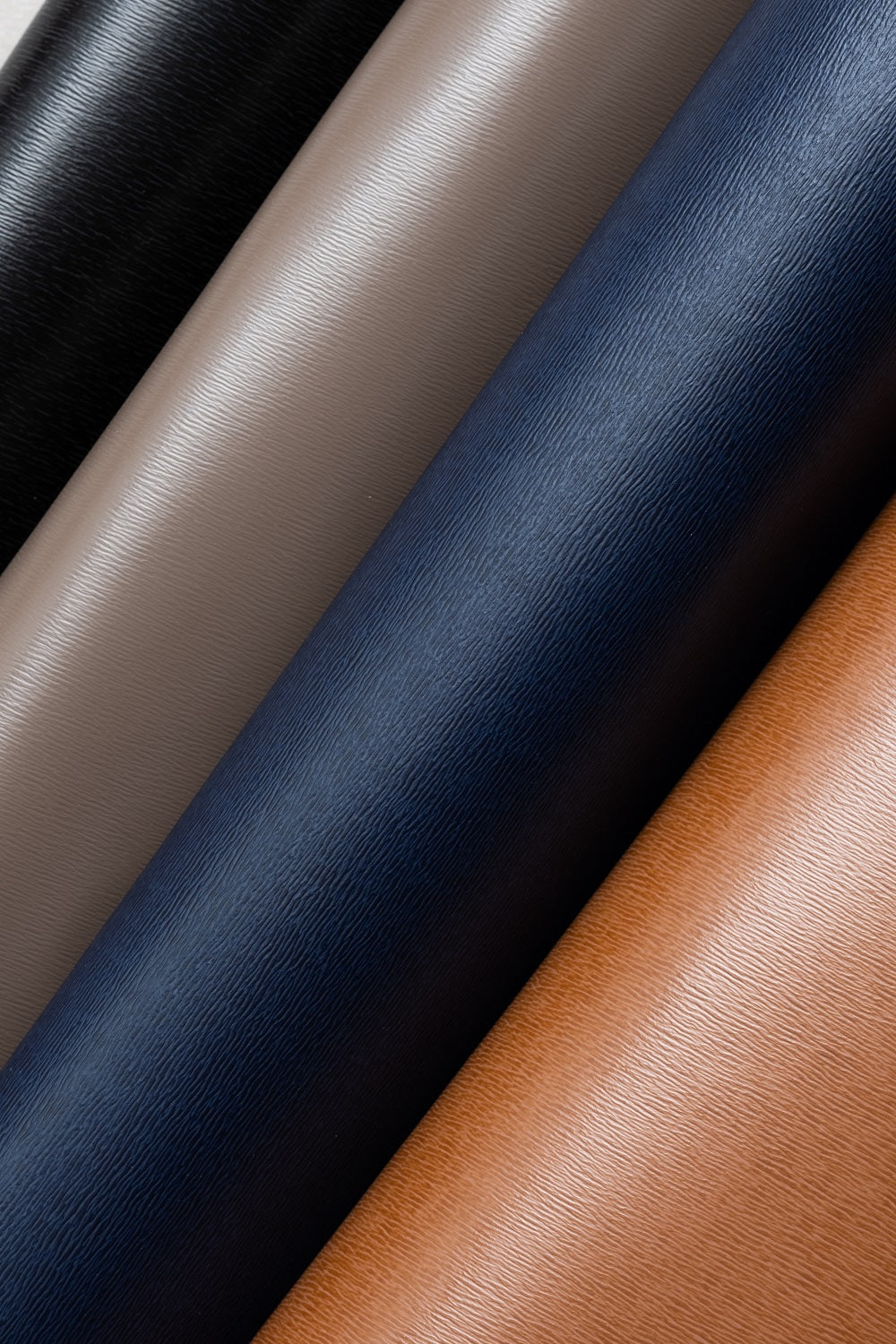
With endless creativity, people have known how to use methods such as: smoke, bark extract or grease to tan leather. In addition, in the 19th century, there was also a type of tanning using chrome salt in addition to the forms of tanning using natural extracts such as: essential oils, leaves, fruits...
In the 8th century, with the development of trade routes between Asia and Europe, the exchange of goods between countries was expanded, so leather was moved across countries.

Leather tanning technology was no longer the monopoly of European countries as it had been before. By the 14th century, leather had become a tool for covering sofas and chairs, and the production of leather during this period could be considered to have achieved great success.
The appearance of the first leather shoes in history
In fact, before the appearance of leather shoes, people had already crafted leather into simple fashion tools that protected their feet while walking, working, and keeping them warm.

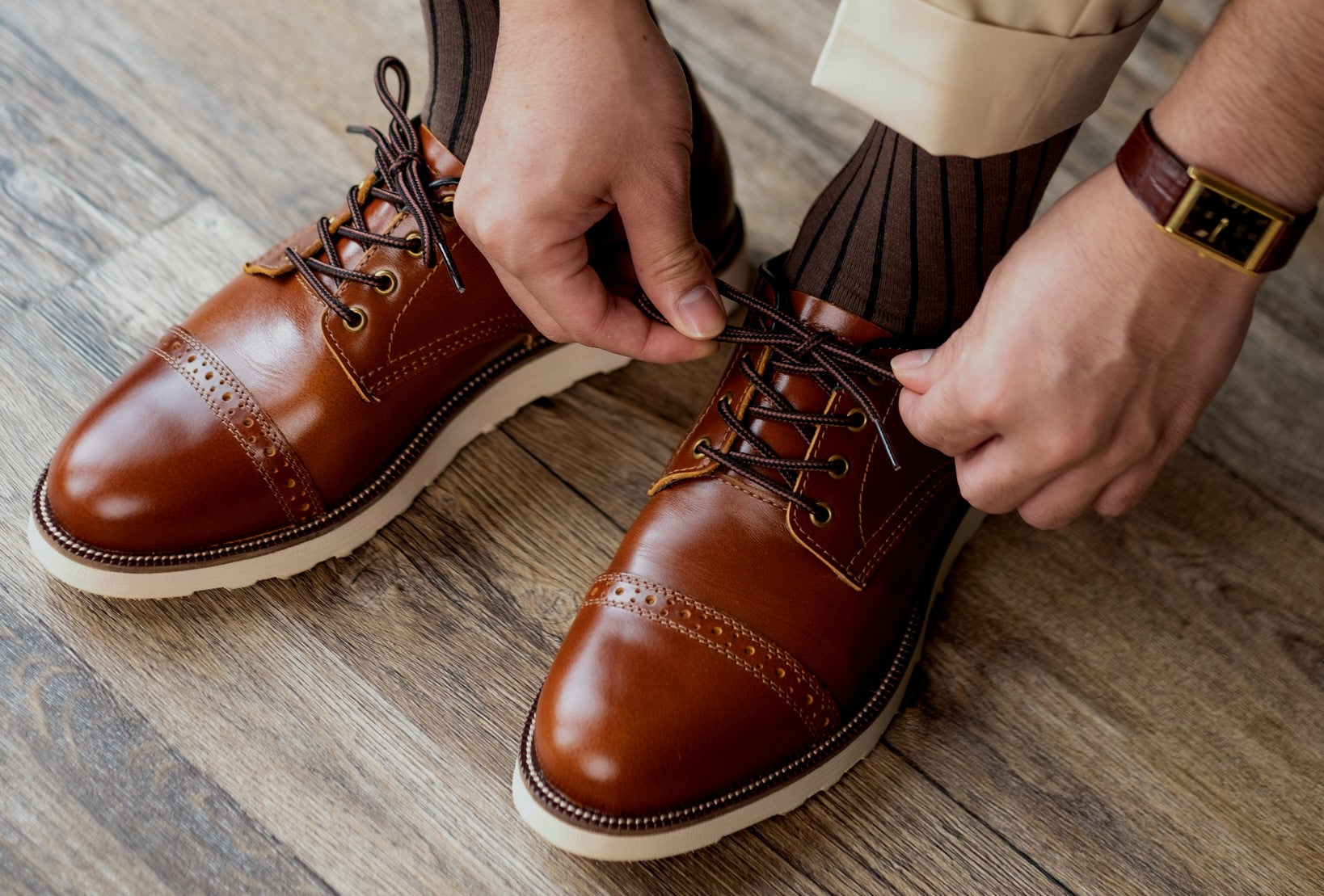
It was not until 1790 that this shoe was “born”, but why does history still favor calling it “the first leather shoe”? Because this was the first product to be designed and crafted elaborately with laces and perforations, becoming the premise for today’s luxurious western shoes. But it was more than 20 years later that shoes had a distinction between left and right.
Bringing leather to the contemporary present
Not only stopping at garment products, leather products have begun to "deepen" into the leather dyeing industry to serve decorative and aesthetic purposes.
By the 19th century - the world marked the development of leather when it began to change the cover of golf balls with leather instead of wood as before. This is called a big turning point in the leather industry, golf balls became more luxurious and fashionable, and players of this sport also felt better experiences.

Because of that complex and elaborate formation process, leather products are still very popular and loved today, becoming an expensive and luxurious fashion trend. Leather production technology has also developed rapidly since then, especially in European countries. Asian countries are not standing still when catching up with that advanced technology, producing quality leather products for domestic use and export to reduce the expensive cost of importing leather products from Europe.

Domestic leather brands are also gradually gaining the sympathy of consumers when putting the quality of imported and domestic goods on the scale. Not only that, the fashion trends of domestic brands are also more sympathetic because they are suitable for Asian tastes.
The leather industry will continue to grow and develop more strongly in the coming years, along with more diversity in models and designs.